Many water pumping systems continue running for years while gradually becoming less efficient.
Many water pumping systems continue running for years while gradually becoming less efficient.
Because the decline is gradual, the warning signs are often overlooked.
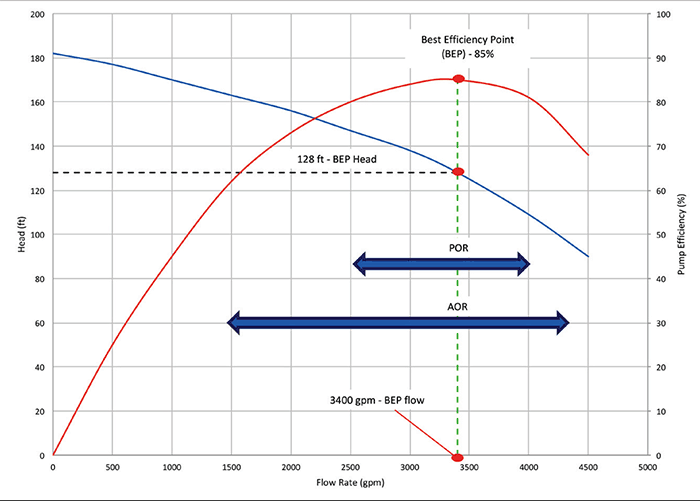
However, several indicators suggest that a pump system may be operating far from its Best Efficiency Point (BEP).
Recognizing these signs early can prevent costly repairs and system failures.
One of the first indicators of inefficiency is increasing electrical consumption.
When pumps operate outside their optimal efficiency range, they require more power to move the same amount of water.
Even small efficiency losses can significantly increase operating costs over time.
Repeated issues with:
often point to excessive vibration or mechanical stress within the system.
These conditions frequently occur when pumps operate too far away from BEP.
A properly operating pump system should run relatively smoothly.
If pumps begin producing noticeable vibration, noise, or instability, it may indicate:
All of these can occur when operating conditions fall outside the pump’s preferred range.
Pressure fluctuations can suggest the pump is struggling to match the system’s flow requirements.
This often happens when pumps are oversized, undersized, or poorly staged.
In many cases, the system is operating well outside the pump’s Best Efficiency Point.
If pumps or motors require replacement sooner than expected, the system may be under unnecessary strain.
Operating continuously outside BEP accelerates wear and reduces the lifespan of key components.
Most inefficiencies aren’t caused by faulty equipment—they come from systems that have drifted away from optimal operating conditions.
Through detailed system evaluation and BEP analysis, it’s often possible to identify practical adjustments that improve performance.
When pumps operate closer to their intended efficiency range, systems become:
And that’s the foundation of long-term system performance.